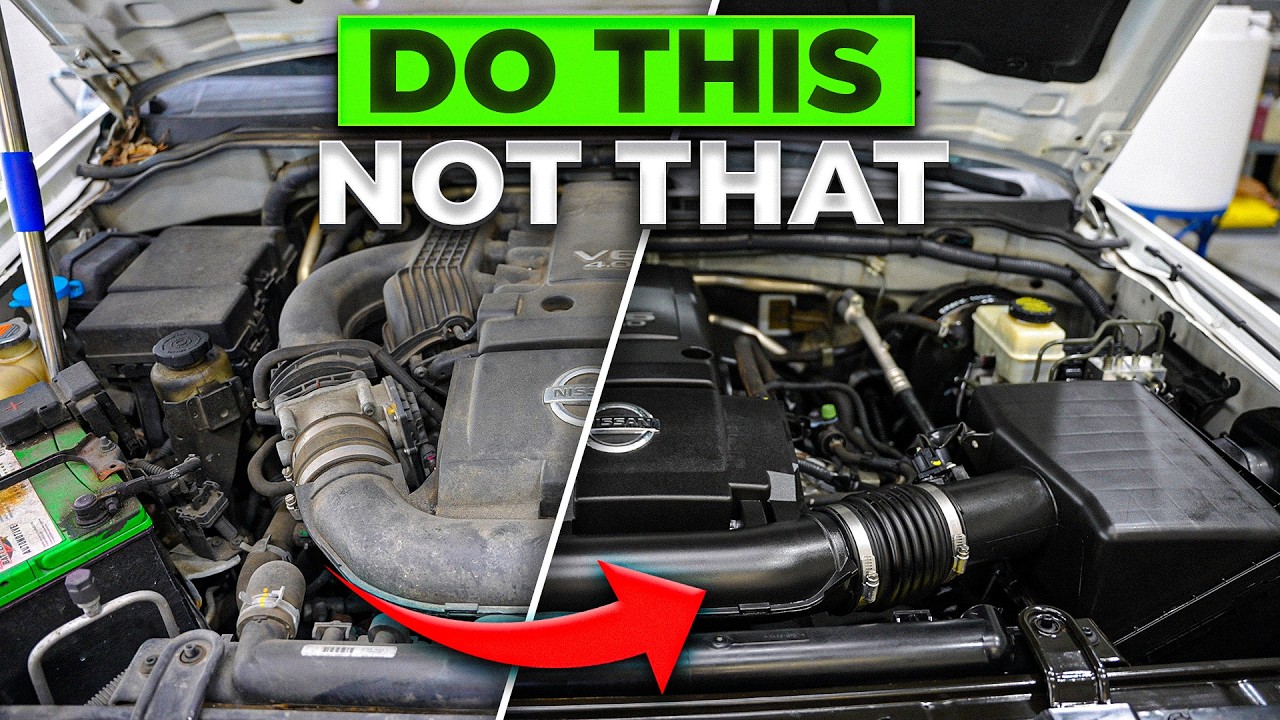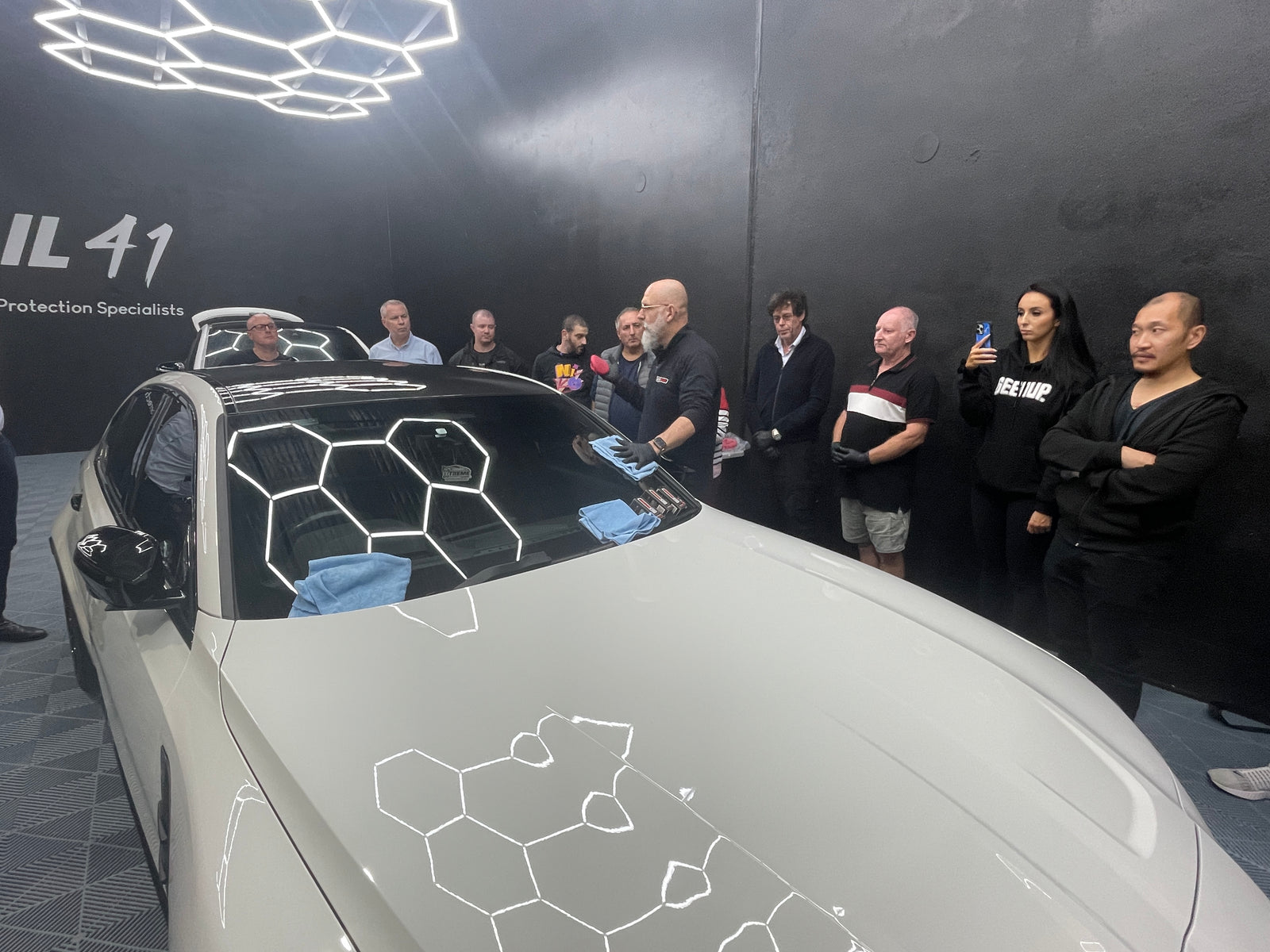

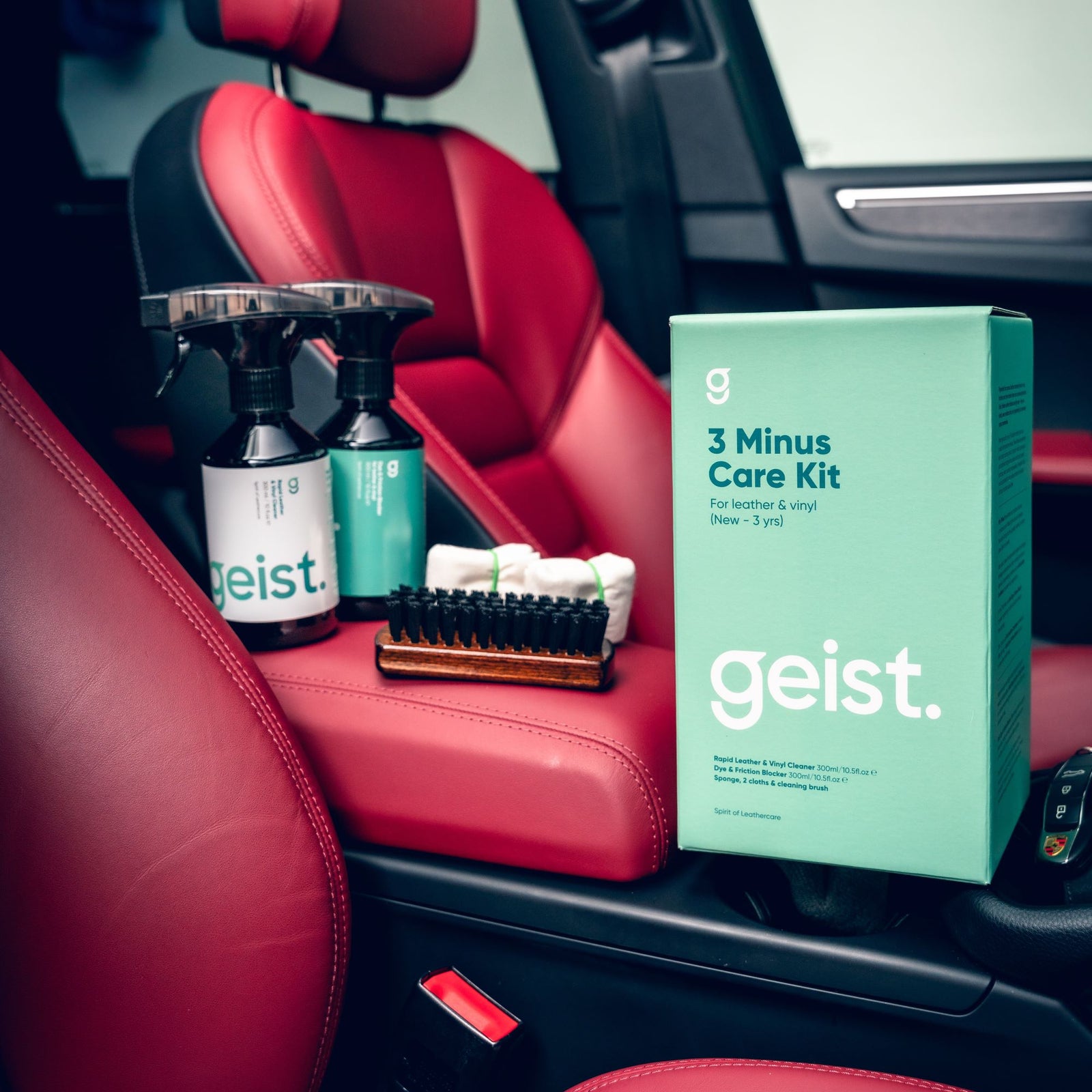









Is your car's engine bay looking a bit worse for wear? Here's how to clean it properly and safely.
Why Clean Your Engine Bay?
Dirt, oil and grime build up around plastics, hoses and metal, leading to corrosion and a tired-looking engine. A regular clean keeps things in good shape and lifts resale value.
A lot of people are scared to put water near an engine. On any car built from around 2000 onwards, all the electrical connectors are sealed from the factory. They can handle being sprayed without an issue, you just don't want to drown them.
What You'll Need
Before you get started, gather the following products. You can find these high-quality products on the Detailing Shed website:
- Armour CLEAN APC (or Armour Tyre Cleaner for heavy build-up)
- Armour BEADS Spray Sealant
- Armour TIRE+ (your engine bay dressing)
- Pressol Double Action Sprayer
- Pressure Washer
- MTM Hydro Foam Cannon OR IK Foam Pro 2 Sprayer
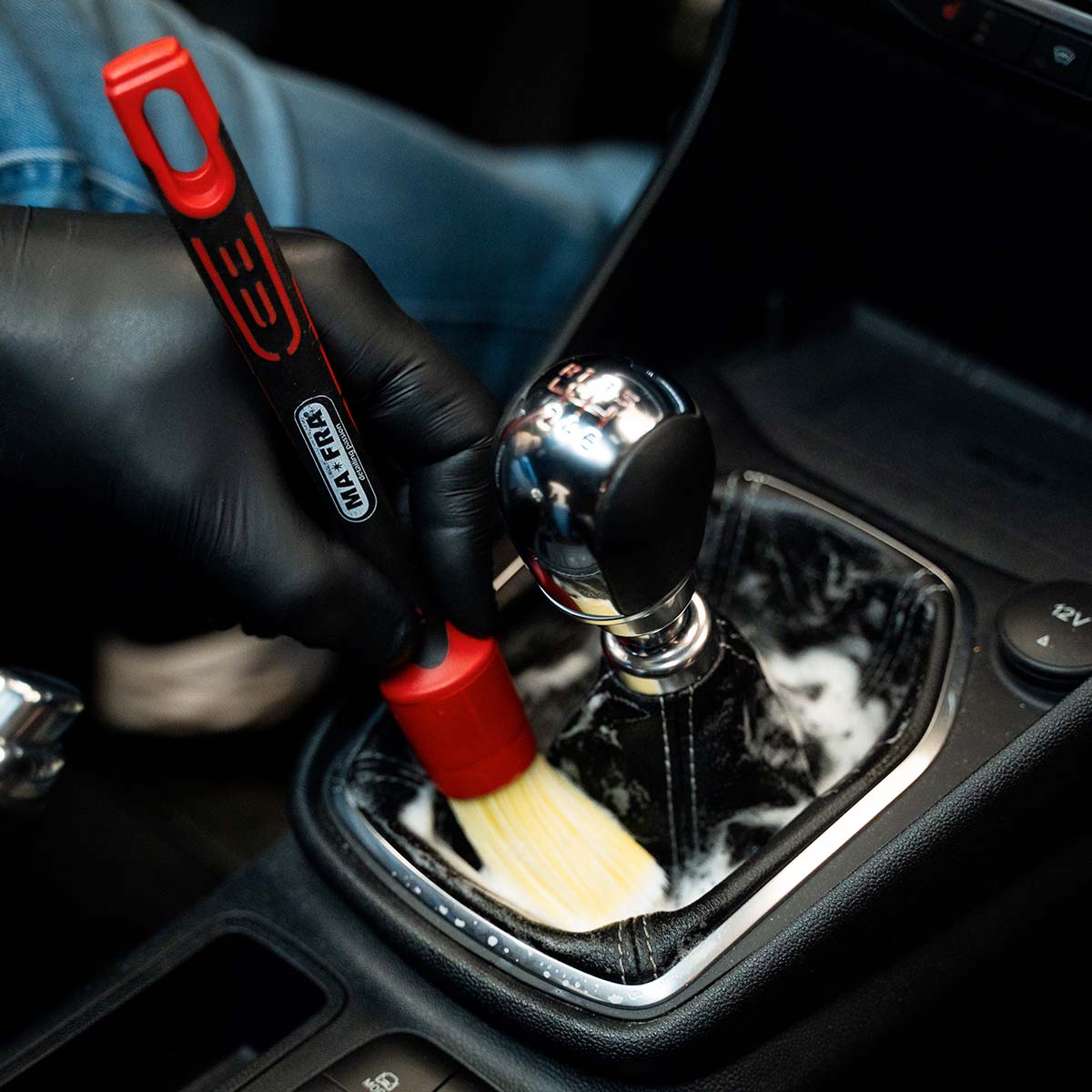
- Long Handle Brush, Medium Handle Soft Grip Wheel Brush, Detail Brushes
- Microfiber Drying towels
-
Nitrile Gloves
- Vacuum
Step-by-Step Guide
Dilutions: CLEAN APC at 4:1. Tire+ between 4:1 (glossier) and 10:1 (matte) 0 6:1 is a solid middle ground.
Before You Start
Do the engine bay BEFORE washing the rest of the car, overspray and drips go everywhere, and the wash cleans up the mess afterwards.
Park out of direct sunlight, let the engine cool completely, and open the hood. Have a quick look around, make sure fuse box covers are seated and no connectors are hanging loose. If anything worries you, wrap it in a plastic bag.
The Process
1. Pre-rinse the underside of the hood. Work top-down. Stand a couple of feet back with the pressure washer. If there's an insulation pad up there, go light, too much water waterlogs the adhesive.
2. Spray CLEAN APC on the hood. Cover the painted areas, go very lightly over the insulation pad. Let it dwell 2 minutes.
4. Agitate. Use a finger mitt and brushes on painted areas. Pull the rubber hood seal back and clean behind it, there's always dirt built up there. Hand-wipe the insulation pad gently, don't scrub.
5. Pre-rinse the engine bay. Light pass, a couple of feet back. Don't blast components or wires directly.
6. Spray CLEAN APC over the whole bay. Walk around the car and spray from every angle, front, both sides, above. Hoses and round components face every direction. You'll go through a full bottle. That's normal. Dwell 2 minutes. Skip the snow foam, it just leaves more product sitting in seals.
7. Agitate. Long handle brush for deep areas, medium brush for larger surfaces, detail brushes for tight spots. For heavy oil and grime, switch to Tyre Cleaner for the second pass.
Don't chase perfection, raw aluminium oxidation won't come back to new.
8. Rinse. Slowly, from a couple of feet back, hitting every angle you sprayed from.
9. BEADS on painted areas. Spray BEADS on the underside of the hood and any painted sections in the bay. Rinse off.
10. Dress with TIRE+. Leave the bay wet from the rinse. Douse it with diluted Tire+ until it's dripping. Spray from every angle, front, sides, above.
11. Walk away. Close the hood and leave it for a few hours, or overnight. Tire+ dries down to an even matte-satin finish, dry to the touch, anti-static, and easier to clean next time.
In a Hurry? Use an air blower to push puddles off and level the film, then wipe the engine covers and fuse boxes with a dirty jobber towel. You're not stripping the dressing, just levelling it.

A clean engine bay is one of the easiest wins in car detailing, and with the right products, it takes about 15 minutes. As the Australian master distributor for Armour Detail Supply, we stock the full range of professional-grade engine bay cleaners, dressings and sealants used by detailers around the country. Shop our complete engine bay cleaning range, plus all purpose cleaners, pressure washers and detailing brushes at Detailing Shed. Fast Australia-wide dispatch, expert advice, and over 60 trusted brands under one roof. Need help choosing the right product for your car? Read our most frequently asked questions below, or get in touch with our friendly experts today.