FREE Shipping on orders over $150 (Weight Restrictions Apply)


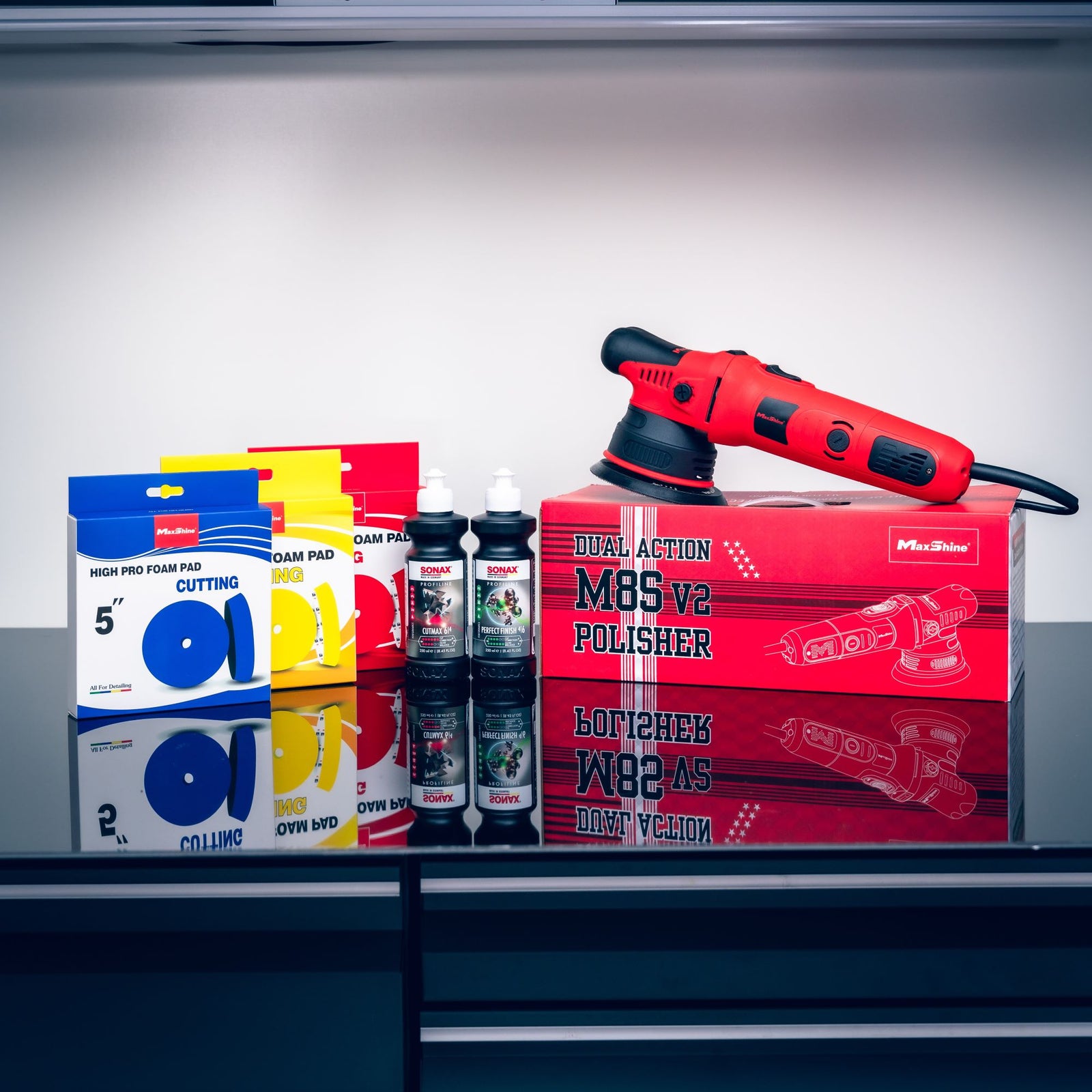
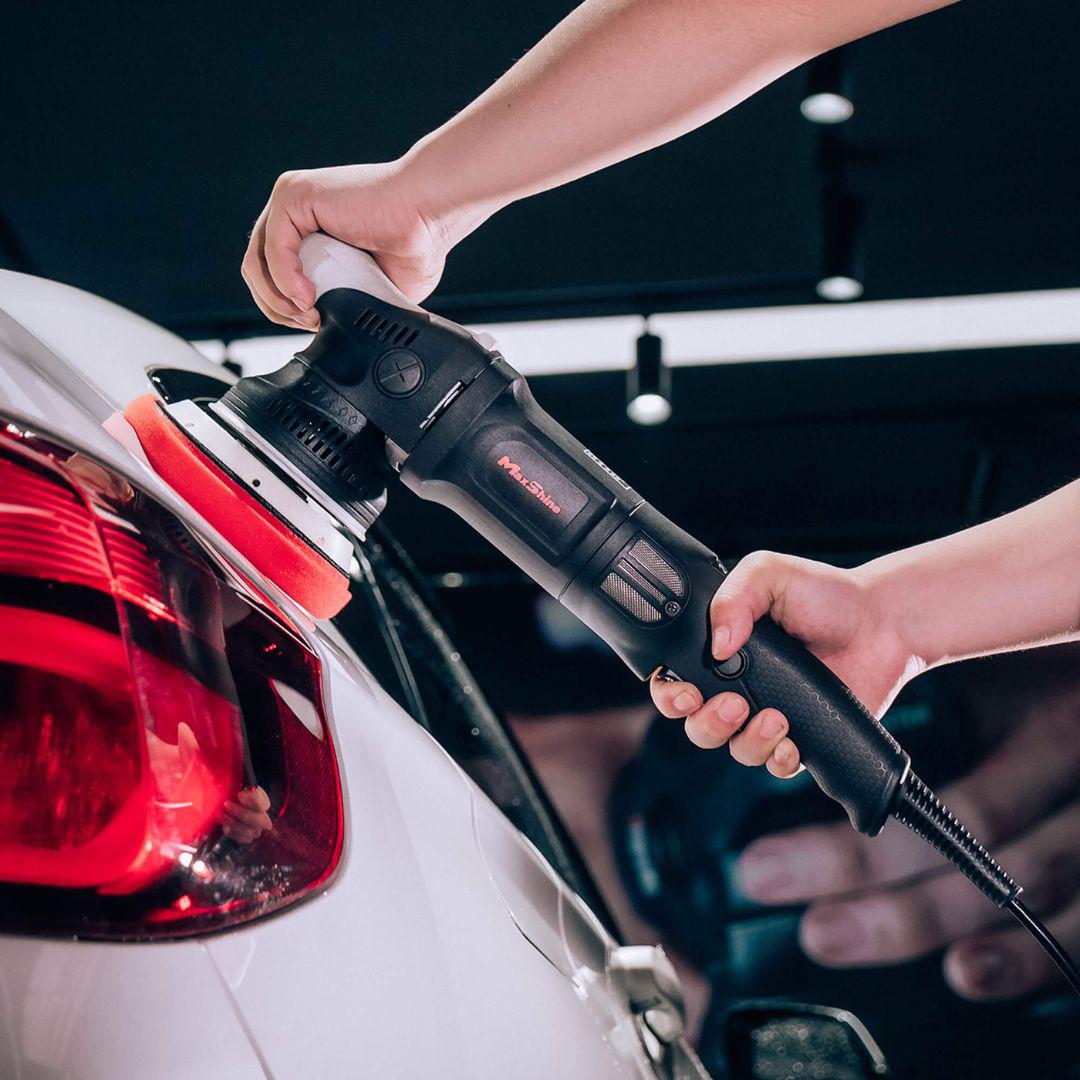
A dual action polisher is the safest way to remove swirls, scratches and oxidation, since the pad stalls under pressure instead of grabbing the paint like a rotary can.
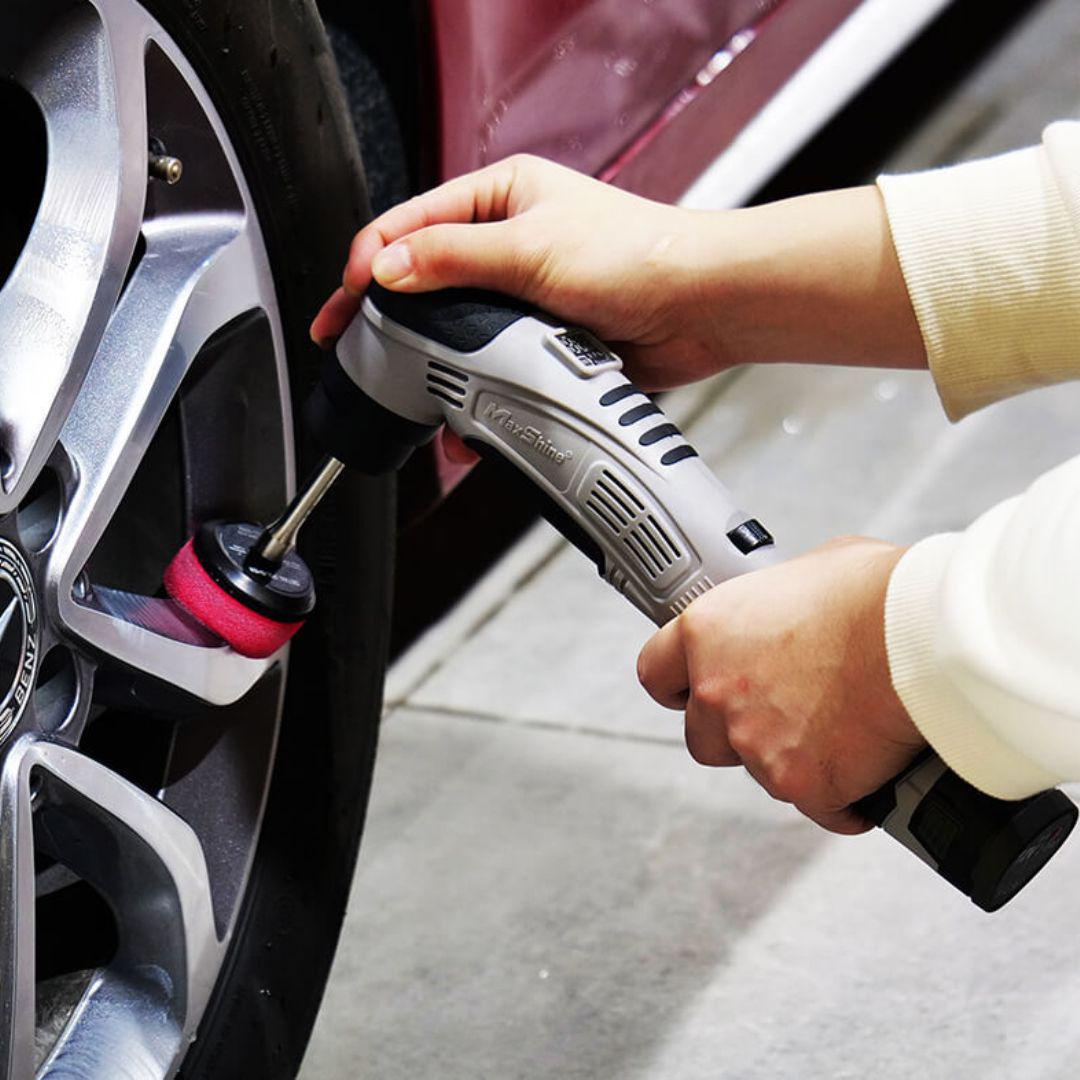
We stock Maxshine, Mirka and DIY Detail machines, from compact 3 inch cordless models to 15mm and 21mm long throw units for full correction jobs.
Not sure which one you need? Read our
DA vs Rotary Polisher guide.
New to polishing? Our
Polishing Starter Kit bundles a machine with pads and compound so you can start the same day.
An 8mm throw is the easiest to control, 15mm and 21mm cover more ground faster once you have some practice.
Rotary. The pad spins on a single axis, direct drive, with nothing to stall it. That makes a rotary the fastest way to cut paint, but the heat builds quickly and there is no built in safety margin. In inexperienced hands it is the most common cause of burnt clear coat, so it belongs with correction pros and confident enthusiasts rather than a first machine.
Dual Action (DA). The pad both spins and orbits at the same time, and the spin is free, driven by friction against the paint rather than forced by a gear. Press down hard and the pad slows or stalls instead of grabbing, which is what makes a DA forgiving enough for a first timer. The trade off is less outright cutting power than a rotary or a forced rotation machine.
Forced Rotation. A forced rotation polisher keeps the oscillating dual action motion but drives the rotation with a gear instead of leaving it free spinning. That gives it rotary-like cutting power while keeping the stall-under-pressure safety behaviour of a DA, which is why pros reach for one when a standard DA is not cutting fast enough but a rotary still feels like overkill.
A dual action polisher is the safest way to remove swirls, scratches and oxidation, since the pad stalls under pressure instead of grabbing the paint like a rotary can.
We stock Maxshine, Mirka and DIY Detail machines, from compact 3 inch cordless models to 15mm and 21mm long throw units for full correction jobs.
Not sure which one you need? Read our
DA vs Rotary Polisher guide.
New to polishing? Our
Polishing Starter Kit bundles a machine with pads and compound so you can start the same day.
An 8mm throw is the easiest to control, 15mm and 21mm cover more ground faster once you have some practice.
Rotary. The pad spins on a single axis, direct drive, with nothing to stall it. That makes a rotary the fastest way to cut paint, but the heat builds quickly and there is no built in safety margin. In inexperienced hands it is the most common cause of burnt clear coat, so it belongs with correction pros and confident enthusiasts rather than a first machine.
Dual Action (DA). The pad both spins and orbits at the same time, and the spin is free, driven by friction against the paint rather than forced by a gear. Press down hard and the pad slows or stalls instead of grabbing, which is what makes a DA forgiving enough for a first timer. The trade off is less outright cutting power than a rotary or a forced rotation machine.
Forced Rotation. A forced rotation polisher keeps the oscillating dual action motion but drives the rotation with a gear instead of leaving it free spinning. That gives it rotary-like cutting power while keeping the stall-under-pressure safety behaviour of a DA, which is why pros reach for one when a standard DA is not cutting fast enough but a rotary still feels like overkill.