










Guide to ONR Rinseless Washing
ONR has been the gold standard for rinse less washing since 2005. There are plenty of newer rinse less washes, yet ONR is still the one most detailers reach for. The reason is simple, it is quick to set up, it behaves the same every time, and one bottle covers several jobs.
This guide covers what ONR does, which cars it suits, where it does not belong, how to wash with it, and the gear we pair it with. For the full range and brand background, see the Optimum Guide.
What ONR Is and Why Detailers Use It
What is it?
Optimum No Rinse (ONR) is a rinse less car wash solution designed to clean your vehicle using minimal water
Effectively lifts dirt, dust and grim without the need for a hose or pressure washer.
Why detailers use it
- Speed: most people buy ONR to save water. They keep using it because setup and pack up take minutes.
- Less gear: a bucket, a wash mitt and a drying towel. Nothing to plug in or roll out.
- Consistent Results: Easy to follow dilution ratios ensure reliable cleaning performance and a quality finish with every use.
- One bottle, several jobs: rinse less wash, clay lube, quick detailer, interior cleaner and glass cleaner, depending on dilution.
Where ONR works well
- Daily drivers washed every week or two
- Ceramic coated cars that only need light dirt and road film removed
- Garage-kept and show cars that mostly collect dust
- Apartments and units with no hose or tap access
- Mobile detailers carrying their own water
- Fleets washed on site without a wash bay
Where You Should not use it
- Thick mud
- Sand or clay
- Heavy off-road dirt
Caution: ONR is a maintenance wash. If the car is caked in mud or sand, pre-rinse it first. The most common mistakes we see are too few towels, not swapping dirty towels soon enough, and using ONR on a car that is too dirty for it.
What we have noticed since 2018
ONR uses advanced polymer technology to encapsulate dirt and provide lubrication, helping reduce the risk of scratches and swirl marks during regular washing.
- Many customers move from a hose and bucket wash to ONR and do not go back.
- A car washed every two weeks with ONR usually looks better than one washed every three months with something stronger.
Build Your ONR Wash Setup
ONR only needs a bucket and something to wash with. These are the extras we use with it.
| Image | Product | What It Is | Best For | Price |
|---|---|---|---|---|
 |
ONR V6 | Rinse less wash concentrate | The wash itself | From $12.95 |
 |
Big Red Sponge 2.0 | Wash sponge, 18 x 13 x 8 cm | Washing each panel | From $65.95 |
 |
ARMOUR Pink Double Flip Towel | 1100GSM rinse less wash towel, four clean sides | Washing with towels instead of a sponge | From $12.95 |
 |
IK Multi Pro 2 | Pump sprayer, 1.5L usable | Pre-soaking panels before you wash | From $62.95 |
How to Wash With ONR
- Mix: add 30ml of ONR to 7.5L of water in a bucket.
- Soak: load a Big Red Sponge or several Double Flip Towels in the solution.
- Pre-soak: if you have a pump sprayer, mist the panel with ONR at wash strength first.
- Wash: work one section at a time, top to bottom. Swap to a clean towel side or reload the sponge often.
- Dry: dry each section straight away with a microfibre drying towel. If it dries before you get to it, wash it again and dry.
- Repeat: wash every one to two weeks so dirt never builds up.
Tips from regular ONR users
- Use more towels than you think you need.
- Do the dirtiest panels last.
- Do not press hard. Let the solution do the work.
- Keep a pre-mixed quick detailer bottle for touch-ups between washes.
Frequently Asked Questions
Does ONR scratch paint? Used correctly on light to moderate dirt, ONR wraps dirt in polymer and gives more lubrication than a soap based wash. Use plenty of clean towels and do not use it on heavy mud or sand.
Is ONR safe on ceramic coatings? Yes. It is safe on ceramic coatings, PPF and matte paint, and it will not interfere with waxes or sealants. See the Opti-Coat Guide for coating maintenance.
How often should I wash with ONR? Every one to two weeks suits most cars. It works at any frequency, but regular washes are where it saves the most time.
Can I use ONR in an apartment or unit? Yes. You only need a bucket of water, so it works anywhere without a hose or tap.
Is ONR suitable for professional detailers? Yes. It is widely used by mobile and workshop detailers because it is quick, predictable and needs very little equipment.
Can ONR be used across a fleet? Yes. Vehicles can be washed on site with no wash bay or hose. You need water, towels and the concentrate.
How many washes are in a bottle? At 30ml per wash, a 946ml bottle makes about 31 washes and a 3.8L bottle makes about 126.
Can ONR be used inside the car? Yes. At 180ml per 3.8L it is safe on leather, vinyl, plastic, fabric, carpet, glass, window tint and screens.
Shop ONR V6, or read the Optimum Guide for dilution charts and the rest of the range.
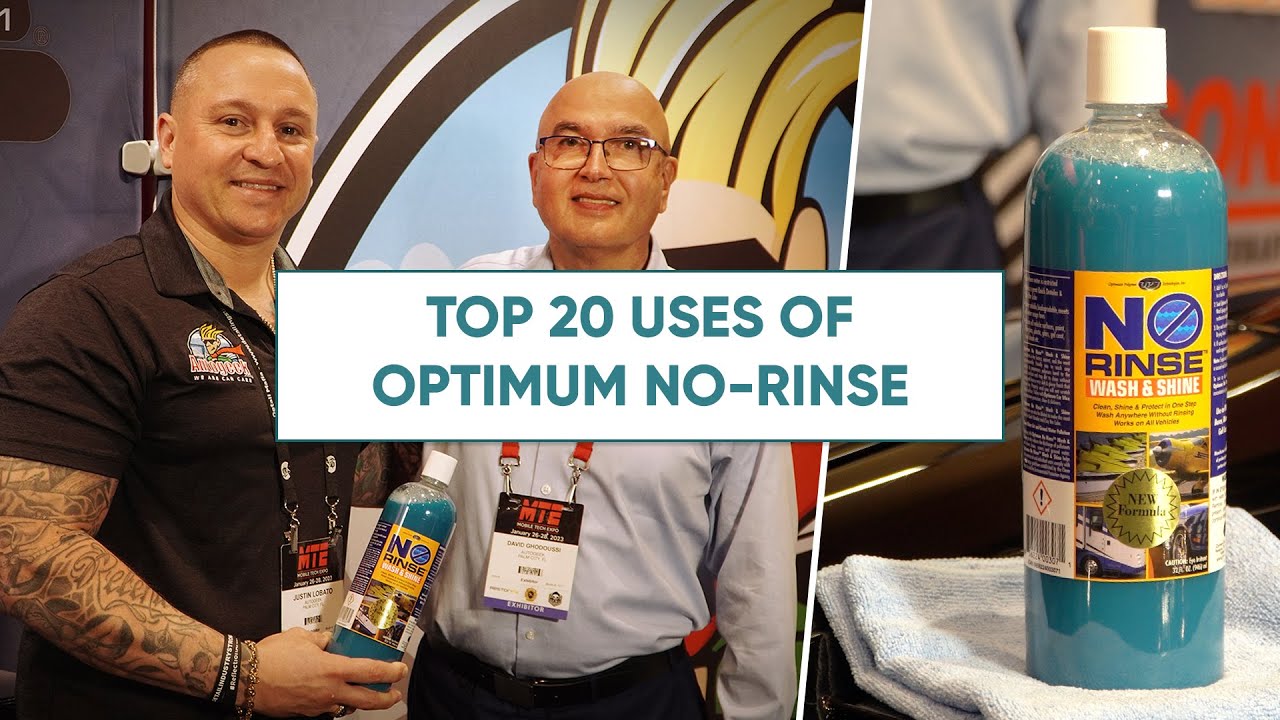
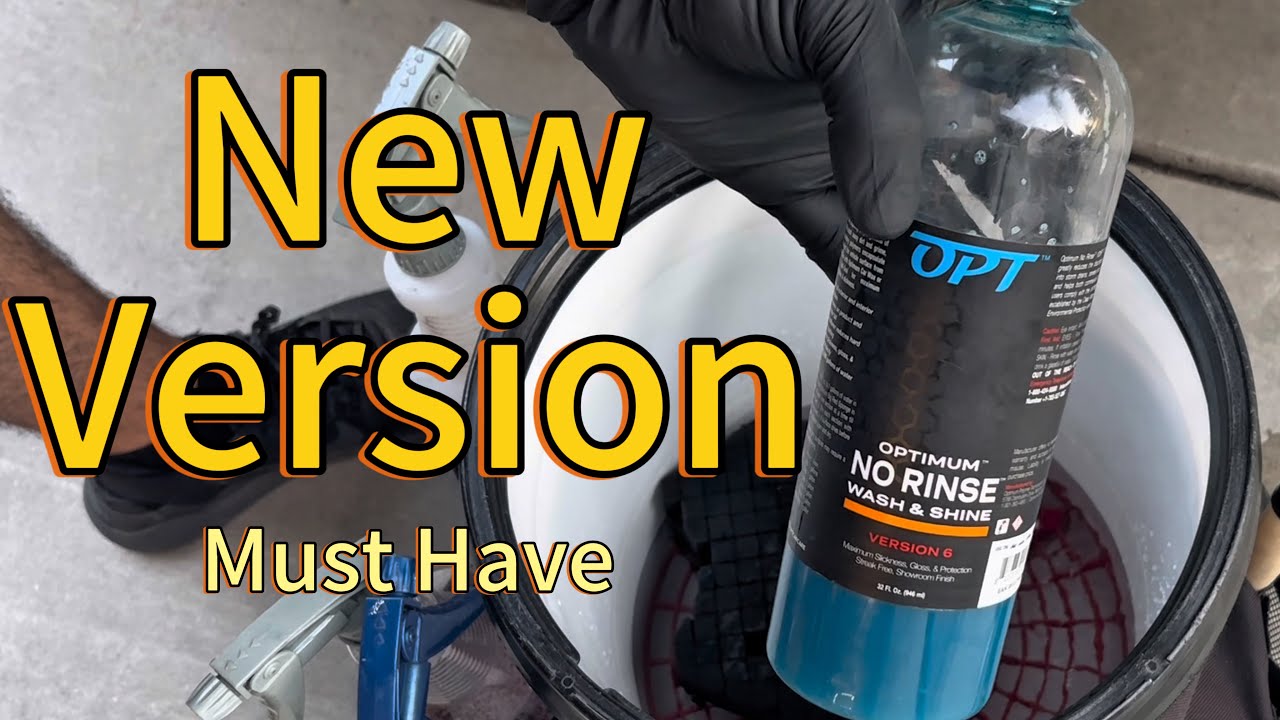
Check out these videos below for more information on ONR!
ONR dilution ratios
- Wash: 30ml per 7.5L of water
- Clay lube: 60ml per 3.8L
- Quick detailer: 240ml per 3.8L
- Interior and glass cleaner: 180ml per 3.8L
Dilution ratios and product specifications are taken from the product page and are correct at the time of writing. Always follow the directions on the label.